Battery fundamentals

How Tesla batteries, the BMS, and displayed range actually work.

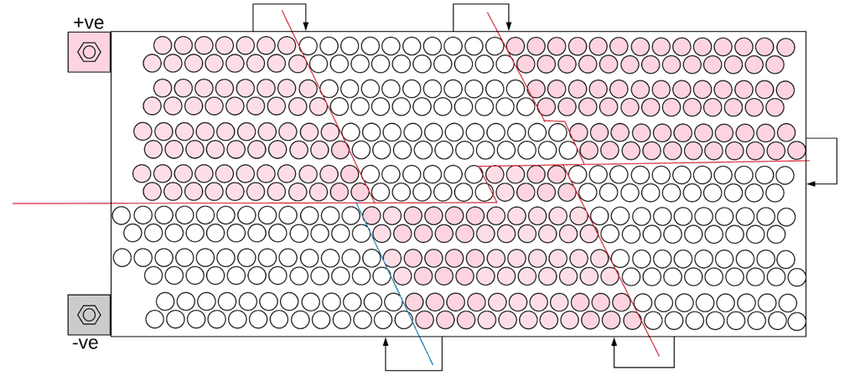
A drop in displayed range does not always mean the battery has physically degraded by that amount permanently. Tesla’s Battery Management System learns from charging and driving behavior, voltage endpoints, and pack balance. If charging behavior has been inconsistent, the learning model can drift and produce conservative range estimates. The same can be said for any of the variables just mentioned. Imbalance can change how the car reports usable energy and expected range, which is why similar cars of the same age and spec as yours can show very different range expectations.

A range estimate that improves after correction is different from reversing physical degradation. Cell-group imbalance can also reduce usable energy because the BMS must respect the first group to read a voltage limit. A technician uses pack data and charging behavior to identify which issue is the likely cause of your range loss.
Battery structure

From full pack down to the individual cell.

Tesla batteries are nested systems. The cleanest way to understand balance, learned range, and BMS behavior is to follow the battery down level by level.

Pack
01
Whole assembly
Pack

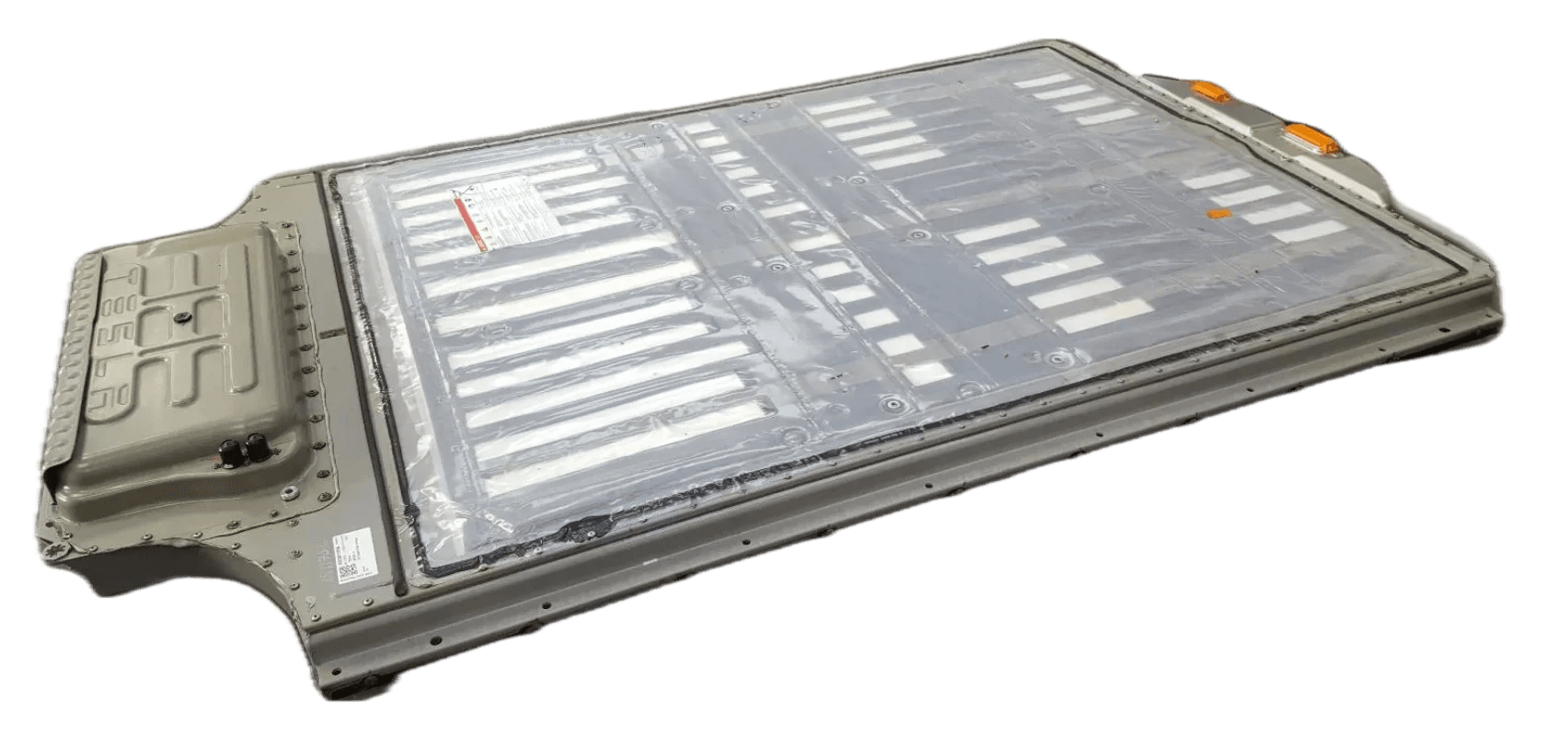
The full high-voltage battery assembly under the vehicle. This is the complete energy storage system the car manages as one unit.

Modules
02
Internal sections
Modules

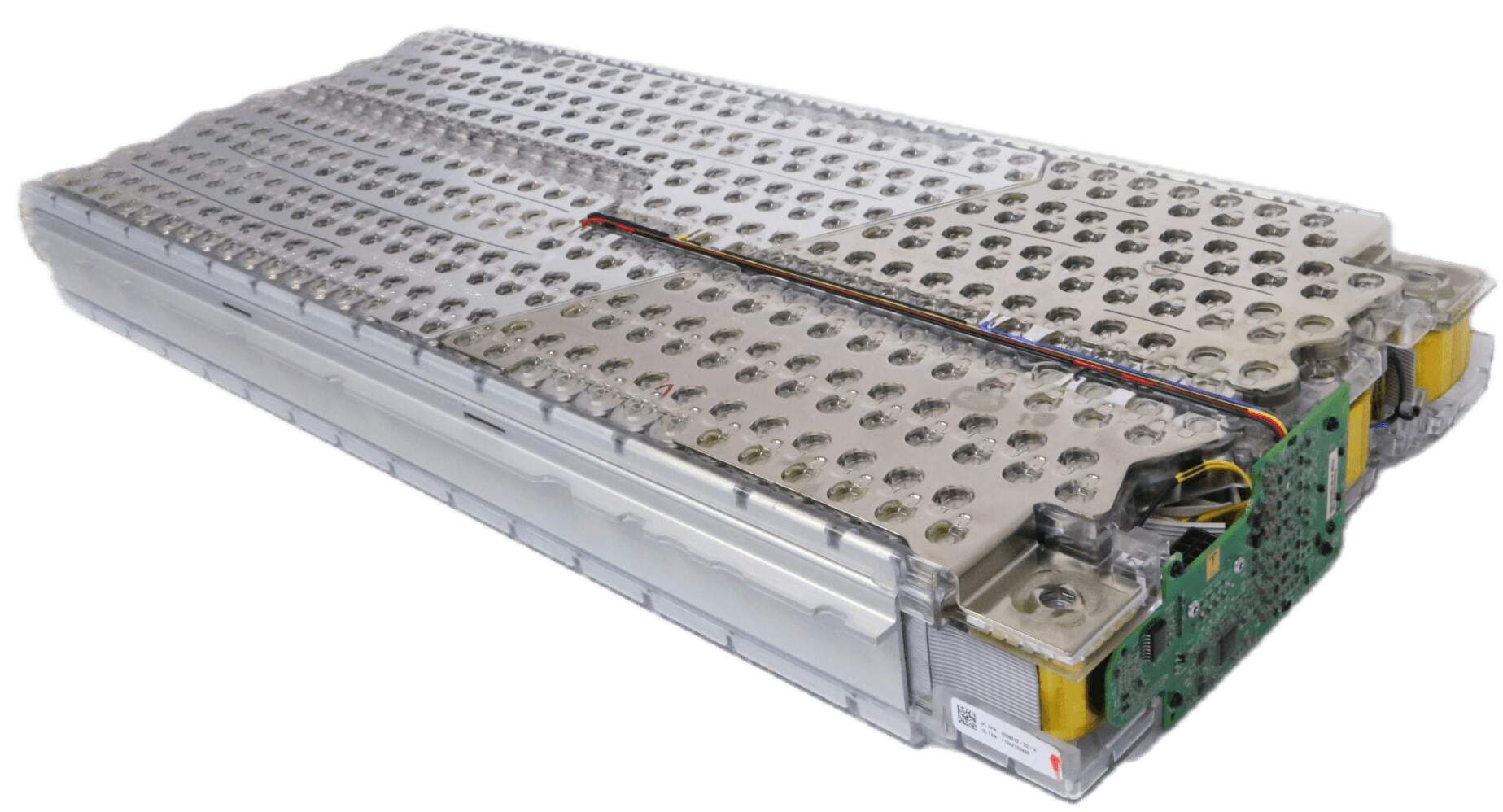
Inside the pack, Tesla groups cells into modules. Each module contains smaller repeated groups the BMS has to monitor and compare.

Bricks
03
Voltage groups
Bricks

Within a module, cells are grouped into bricks. These bricks are the voltage groups the system watches closely for balance and consistency.

Cells
04
Smallest unit
Cells

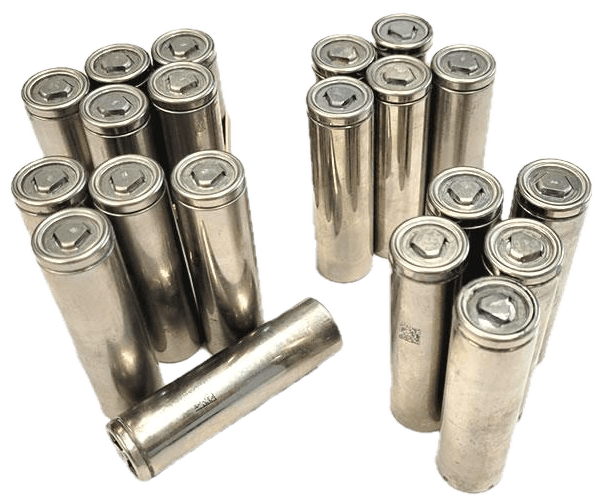
Cells are the individual electrochemical units that actually store energy. Differences between cells add up and shape what the whole pack can safely do.

BMS balancing

Tesla balances bricks, not individual cells

The BMS uses small bleed resistors to discharge higher-voltage bricks during the final phase of charging so the rest of the pack can catch up. It is not calibrating individual cells directly. It is managing brick-level balance by trimming the groups that are ahead and letting the others continue rising.

What modern firmware can do

Tesla can now estimate the effective capacity of individual bricks with extremely high accuracy across a wide range of conditions. It appears to do this using measured charge and discharge power, balancer activity, temperature, coolant temperature, coolant flow, temperature deltas, predicted thermal gradients, and many other variables to model what the pack is doing in near real time.

That brick-level understanding is what makes proper balancing possible. If the system knows which bricks are ahead or behind, it can decide exactly which bleeders to enable and for how long.

Why bad habits still matter

On-the-fly balancing still cannot fully undo years of poor charging behavior on its own. Over time, the firmware can end up learning from weak or misleading data points at the upper and lower ends of the pack, which can skew the learned limits and reduce balancing quality.

The result can be a larger brick delta, a more conservative usable energy estimate, and less displayed range even when the battery has not physically degraded by the same amount.

Key takeaway

Modern Tesla battery management is not a dumb system. It can balance dynamically and model the pack with remarkable precision, but it still depends on good data. When charging habits have trained the system on poor endpoints for years, range can fall because the software has learned to be overly conservative, not just because the hardware is worn out.

How range is calculated

Rated range comes from usable energy, not just raw battery size

Tesla does not simply take original battery capacity and subtract a fixed degradation percentage. The car estimates how much usable energy it can safely access, then converts that estimate into rated miles using model-specific efficiency assumptions. If the usable energy estimate becomes conservative, displayed range can drop even when the battery hardware has not degraded by the same amount.

That is why owners can sometimes see meaningful improvement after the system regains confidence in pack balance and voltage endpoints.

Charging habits

Poor charging habits can teach the system the wrong picture

Repeated shallow charging can give the system fewer clean reference points
Long stretches without full charges or low states can make top and bottom endpoints less certain
Imbalance between cell groups forces the pack to stop earlier to protect the weakest groups
When uncertainty rises, the BMS becomes more conservative even if the battery is not physically failing
Bottom line

Lower range can be real, but it is not always permanent hardware loss

Some range loss is true long-term battery degradation. But some of what owners see is the result of imbalance, uncertain endpoints, and a BMS that has learned to be cautious. That is the distinction Range Doctors focuses on when evaluating whether range recovery is possible.

Simply put

Better balance gives the BMS a clearer and more efficient operating picture.

When weaker groups are leveled with stronger ones, the battery becomes more balanced and the BMS can manage usable power with higher confidence. In practical terms, that improves how accurately the system controls and reports available energy.

Once this is corrected and future charging habits improve, long-term stress can drop. Fuller charging cycles provide broader learning data, fewer BMS calculation glitches, and fewer total charge events to achieve the same mileage target, helping the battery stay closer to its intended design cycle life.