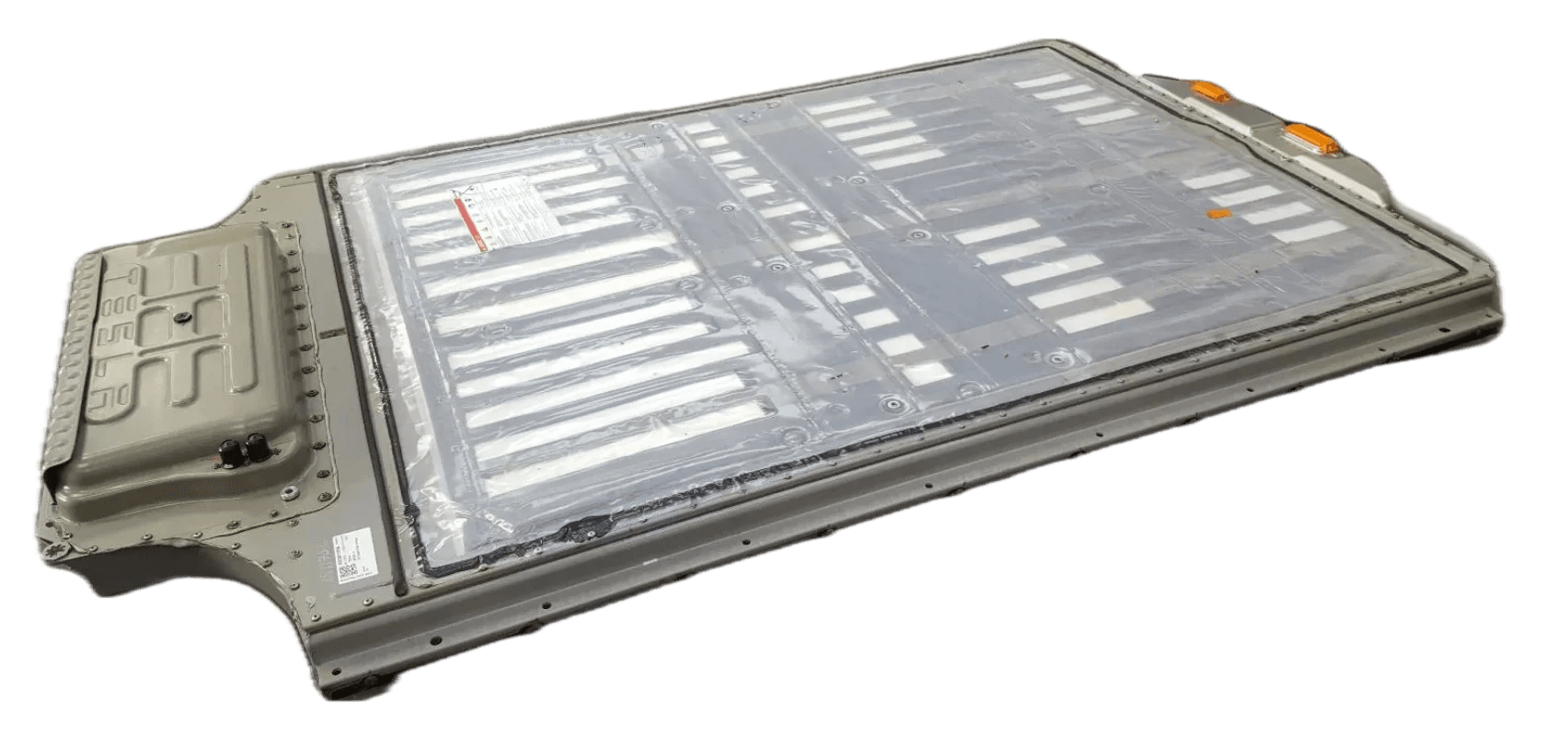
- BMS_u029, BMS_a079, BMS_a074, BMS_u066 and similar charging faults
- Maximum charge level reduced alerts
- Charge limit behavior faults tied to BMS logic
- Pack data and balancing warnings that qualify for remote correction
Remote diagnosis, repair, and support for Tesla BMS charging faults.
If your Tesla reports BMS faults or maximum charge level reduced warnings, the problem is often tied to software, not hardware. Pack data, voltage imbalance, or battery management protection logic contribute to the warnings being displayed. We focus on identifying the root cause of these alerts, and then resolve these issues with digital corrections ( to qualifying BMS codes)
- High-voltage isolation faults, including BMS_u018
- Persistent contactor failures
- Physical module, sensor, or harness failures
- Warnings that indicate direct hardware repair is required
Diagnose the fault, confirm the cause, apply the right repair path.
1. Diagnose
Review alerts, charging behavior, and pack data.
2. Confirm
Separate software limits from physical hardware faults.
3. Repair
Apply supported corrections and verify charging behavior.
For qualifying errors, diagnosis and repair can be handled remotely. Hardware faults require physical repair.
Most battery faults start with bad data, imbalance, or a hardware issue the BMS is trying to protect.
Remote charging fault diagnosis and BMS repair for qualifying report codes.
Book serviceWe start by identifying the exact warning behavior, charge symptoms, and diagnostic context around the BMS fault.
Some problems come from learned limits, imbalance, or data issues. Others point to sensors, harnesses, or battery components that need PHYSICAL repair.
When the vehicle qualifies, we can remotely guide diagnostics, corrections, and service actions to clear faults and restore normal operation.
The issue can be fixed through diagnostics, pack management, and guided software actions.
Many BMS problems are not random. They happen because the vehicle sees conditions it considers unsafe or inconsistent, then limits charging or throws a fault. When the underlying cause is within a supported remote repair path, we can often help resolve the issue without requiring battery pack replacement or physical repair.
Qualifying BMS charge faults often look like a limited pack before remote correction — and restored charge behavior after.


Illustration: same pack photo with red (before) and green (after) treatment for clarity — not separate vehicle photos.
Service-mode access video (TikTok) — coming soon
- Most ‘Maximum Charge Level Reduced’ alerts.
- Avoid staying parked at very low or high state of charge.
- After service, charge your car to the instructed maximum IMMEDIATELY.
- For daily use, keep a stable charge routine instead of irregular patterns.
- Use scheduled charging at home where possible so the battery finishes charging when you are ready to go – it is not good to leave the battery standing still when fully charged.
- Run regular full-charge/discharge calibration sessions when recommended by your service technician.
- Follow your post-service charging guidance to reduce repeat fault behavior.